In today’s hyper-connected digital landscape, a solid b2b backup strategy isn’t just smart—it’s essential. From ransomware threats to accidental deletions, businesses can’t afford to lose critical data. Let’s dive into the world of enterprise-grade data protection and uncover what truly separates a resilient company from a vulnerable one.
1. Understanding B2B Backup: The Foundation of Modern Data Protection

At its core, b2b backup refers to the systematic process of copying and storing business data from one or more company systems to ensure recovery in case of data loss. Unlike consumer-grade solutions, b2b backup is designed to meet the complex needs of enterprises—handling vast data volumes, ensuring compliance, and supporting multi-location operations.





What Sets B2B Backup Apart from Consumer Solutions?
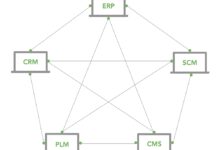
While personal backup tools focus on simplicity and single-device protection, b2b backup systems are engineered for scale, security, and automation. They integrate with enterprise resource planning (ERP) systems, support hybrid cloud environments, and offer centralized management across departments.
- Support for multi-tenant architectures
- Advanced encryption both in transit and at rest
- Granular access controls and role-based permissions
“Enterprise data protection isn’t about preventing every attack—it’s about ensuring continuity when breaches occur.” — Gartner, 2023
Key Components of a B2B Backup System
A comprehensive b2b backup solution includes several interlocking components that work together to safeguard data integrity and availability.
- Data Source Integration: Connects to databases, file servers, cloud applications (like Salesforce or Microsoft 365), and virtual machines.
- Backup Repository: A secure storage location, which can be on-premises, in the cloud, or a hybrid model.
- Recovery Mechanism: Enables point-in-time restoration, file-level recovery, or full system rollback.
- Monitoring & Reporting: Provides real-time alerts, audit logs, and compliance reporting.
These components must work seamlessly to minimize downtime and meet Recovery Time Objectives (RTO) and Recovery Point Objectives (RPO).
2. Why B2B Backup Is Non-Negotiable in 2024
The digital transformation wave has made data the lifeblood of modern business. A single data loss incident can cost millions, damage reputation, and trigger regulatory penalties. This is where b2b backup becomes a strategic imperative rather than a technical afterthought.
Rising Cybersecurity Threats and Ransomware Attacks
Ransomware attacks have surged by over 90% since 2022, with small and mid-sized businesses increasingly targeted. Attackers encrypt critical data and demand payment for decryption keys. Without a reliable b2b backup, companies are left with two unenviable choices: pay the ransom or face permanent data loss.
According to a Cisco Security Report, 68% of organizations hit by ransomware were able to recover without paying because they had up-to-date backups.
- Backups act as a failsafe against encryption-based attacks
- Immutable backups prevent tampering by malicious actors
- Regular testing ensures recovery readiness
Compliance and Regulatory Requirements
Industries like healthcare, finance, and legal services are bound by strict data retention and protection laws such as HIPAA, GDPR, and SOX. Failure to comply can result in fines up to 4% of global revenue.
A robust b2b backup solution helps organizations meet these mandates by ensuring data is stored securely, access is logged, and recovery processes are documented.
- GDPR requires the right to data erasure and portability—backups must support selective deletion
- HIPAA mandates encrypted storage and audit trails for patient records
- SOX compliance requires financial data to be retained for seven years
Without proper b2b backup protocols, audits can uncover gaps that lead to penalties and operational shutdowns.
3. Types of B2B Backup Solutions Available Today
Not all b2b backup systems are created equal. The choice depends on infrastructure, budget, scalability needs, and risk tolerance. Let’s explore the most common types shaping enterprise data strategies in 2024.
On-Premises Backup Systems
These involve physical servers and storage devices located within the company’s own data center. While offering maximum control, they require significant upfront investment and ongoing maintenance.
- Best for organizations with legacy systems or strict data sovereignty laws
- High initial cost but predictable long-term expenses
- Slower scalability compared to cloud options
Vendors like Veritas and Dell EMC offer enterprise-grade on-prem backup appliances tailored for b2b environments.
Cloud-Based B2B Backup
Cloud-based solutions store data in remote data centers managed by third-party providers. They are highly scalable, cost-effective, and accessible from anywhere.
- Pay-as-you-go pricing models reduce capital expenditure
- Automatic updates and built-in redundancy enhance reliability
- Ideal for distributed teams and hybrid work models
Popular platforms include AWS Backup, Microsoft Azure Backup, and Cohesity DataProtect, all offering enterprise-level security and integration.
Hybrid Backup Models
Hybrid solutions combine on-premises infrastructure with cloud storage, offering the best of both worlds. Sensitive data remains in-house, while less critical backups are stored offsite.
- Enables fast local recovery and long-term cloud archiving
- Supports disaster recovery strategies with geo-redundant copies
- Flexible for companies transitioning to the cloud
For example, Veeam Backup & Replication allows businesses to tier backups from local storage to AWS or Azure, optimizing cost and performance.
4. Top 5 Features to Look for in a B2B Backup Solution
Choosing the right b2b backup platform requires evaluating key features that align with your business goals. Here are the top five non-negotiables every enterprise should consider.
Automated and Scheduled Backups
Manual backups are error-prone and inconsistent. A reliable b2b backup system must support automated scheduling based on business hours, data change rates, and compliance cycles.
- Daily, weekly, and monthly backup schedules
- Event-triggered backups (e.g., after database updates)
- Incremental and differential backup options to reduce bandwidth use
Automation ensures that no critical data window is left unprotected.
Immutable and Air-Gapped Backups
To defend against ransomware, backups must be immutable—meaning they cannot be altered or deleted for a set period. Air-gapped backups take this further by physically or logically isolating copies from the network.
- WORM (Write Once, Read Many) storage prevents tampering
- Time-locked retention policies enforce data integrity
- Critical for financial institutions and government contractors
According to IBM’s Zero Trust Study, organizations using immutable backups reduced ransomware recovery time by 63%.
Fast Recovery and Minimal Downtime
The true value of b2b backup lies not in how much data is saved, but in how quickly it can be restored. Recovery Time Objective (RTO) and Recovery Point Objective (RPO) are key metrics.
- RTO: Time to restore operations after failure (aim for under 1 hour)
- RPO: Maximum acceptable data loss (e.g., 15 minutes of data)
- Instant VM recovery and bare-metal restore capabilities
Solutions like Rubrik and Commvault offer near-instant recovery for virtualized environments, minimizing business disruption.
5. Implementing a B2B Backup Strategy: Step-by-Step Guide
Deploying a successful b2b backup system isn’t just about buying software—it’s about building a culture of data resilience. Follow these steps to ensure a smooth and effective implementation.
Assess Your Data Landscape
Begin by mapping all data sources: file servers, databases, SaaS applications, endpoints, and IoT devices. Classify data based on sensitivity, regulatory requirements, and business impact.
- Identify critical systems that require near-zero RPO
- Document data flow across departments
- Estimate total data volume and growth rate
This audit forms the foundation of your backup policy.
Define Recovery Objectives
Work with stakeholders to set realistic RTO and RPO targets. For example, an e-commerce platform might require RTO of 30 minutes and RPO of 5 minutes, while HR records may tolerate longer windows.
- Align objectives with business continuity plans
- Prioritize systems by revenue impact and customer dependency
- Document SLAs for IT and third-party vendors
Choose the Right Vendor and Deploy
After evaluating options, select a b2b backup provider that meets your technical and compliance needs. Deployment should include:
- Phased rollout to minimize disruption
- Integration with existing identity and access management (IAM)
- Encryption key management and secure credential storage
Post-deployment, conduct test restores to validate functionality.
6. Common Pitfalls in B2B Backup and How to Avoid Them
Even well-funded organizations make mistakes when implementing b2b backup. Recognizing these pitfalls early can save time, money, and reputational damage.
Overlooking Backup Testing
Many companies assume their backups work—until they need them. A 2023 survey by Datto found that 47% of businesses discovered corrupted or incomplete backups only during a real recovery attempt.
- Schedule quarterly recovery drills
- Test both file-level and full-system restores
- Simulate disaster scenarios (e.g., server crash, ransomware)
Regular testing validates your entire recovery chain.
Ignoring SaaS Application Data
With the rise of Microsoft 365, Google Workspace, and Salesforce, a growing portion of business data lives in the cloud. However, these platforms follow a shared responsibility model—meaning the provider protects the infrastructure, but the customer owns data protection.
Without a dedicated b2b backup for SaaS apps, accidental deletions or malicious insider actions can lead to irreversible loss.
- Use tools like Copilot or Datto SaaS Protection to back up cloud data
- Enable versioning and retention policies in SaaS platforms
- Monitor user activity for anomalies
Underestimating Data Growth
Data volumes double every 18-24 months. A backup solution that fits today may be overwhelmed in a year. Scalability must be a core consideration.
- Choose platforms with elastic storage options
- Monitor backup performance metrics monthly
- Plan for 3-5 years of growth in your budget
Cloud-based b2b backup solutions often offer the most flexibility here.
7. Future Trends Shaping the B2B Backup Industry
The b2b backup landscape is evolving rapidly, driven by AI, zero trust security, and edge computing. Staying ahead of these trends ensures your data protection strategy remains future-proof.
AI-Powered Backup and Anomaly Detection
Artificial intelligence is being integrated into b2b backup platforms to predict failures, detect unusual access patterns, and optimize backup windows.
- AI can identify ransomware behavior before encryption begins
- Machine learning models forecast storage needs based on usage trends
- Automated root cause analysis speeds up recovery
For instance, Rubrik’s AI engine, Rubrik Security Cloud, uses behavioral analytics to flag suspicious data movements.
Zero Trust Integration
The zero trust security model—“never trust, always verify”—is reshaping how backups are accessed and managed. Modern b2b backup systems now require multi-factor authentication, device validation, and continuous monitoring.
- Backup consoles enforce strict identity verification
- Every restore request is logged and audited
- Network segmentation isolates backup traffic
As per NIST guidelines, zero trust principles are becoming mandatory for federal contractors and their partners.
Edge Computing and Decentralized Backups
With the proliferation of IoT devices and remote offices, data is generated far from central data centers. Edge computing requires decentralized backup strategies that can operate independently yet sync securely to the cloud.
- Local caching with periodic cloud sync
- Low-bandwidth optimization for remote sites
- Autonomous recovery at edge locations
Vendors like Zerto and Axcient are pioneering edge-aware backup solutions for distributed enterprises.
What is b2b backup?
B2B backup refers to data protection solutions designed for businesses to securely copy and store critical information, ensuring recovery in case of data loss due to cyberattacks, hardware failure, or human error. It’s tailored for enterprise needs like scalability, compliance, and multi-location support.
Why is b2b backup important for cybersecurity?
B2B backup is a critical defense against ransomware and data breaches. It allows organizations to restore systems without paying ransoms, maintain business continuity, and meet regulatory requirements for data protection and retention.
Can cloud-based b2b backup be trusted for sensitive data?
Yes, provided the solution uses end-to-end encryption, complies with industry standards (e.g., ISO 27001, SOC 2), and offers immutable storage. Leading providers like AWS and Azure have robust security frameworks making them suitable for sensitive enterprise data.
How often should businesses test their b2b backup systems?
Businesses should test their b2b backup systems at least quarterly. Critical systems may require monthly or even weekly recovery drills to ensure reliability and compliance with disaster recovery plans.
What’s the difference between b2b backup and personal backup tools?
B2B backup solutions are designed for scale, security, and integration with enterprise systems. They offer centralized management, advanced reporting, compliance features, and support for hybrid environments—unlike personal tools that focus on single-user simplicity.
Implementing a robust b2b backup strategy is no longer optional—it’s a cornerstone of modern business resilience. From defending against cyber threats to ensuring regulatory compliance, the right backup solution safeguards your data, your reputation, and your bottom line. As technology evolves, so must your approach: embracing automation, cloud flexibility, and AI-driven insights will keep your organization ahead of emerging risks. The future of business continuity depends not on avoiding disasters, but on being prepared to recover faster than ever before.
Further Reading: