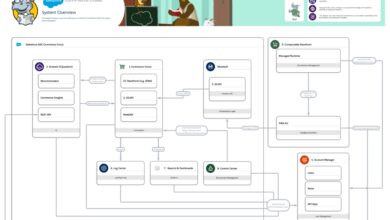
In today’s hyper-connected digital ecosystem, understanding b2b logs isn’t just a technical necessity—it’s a strategic advantage. These digital footprints reveal critical insights into system performance, security threats, and operational efficiency across enterprise networks.
What Are B2B Logs and Why They Matter

B2B logs, or business-to-business logs, are structured records generated by software systems, servers, applications, and network devices during interactions between organizations. These logs capture everything from API calls and authentication attempts to data transfers and error messages, forming a chronological trail of digital activity.





The Anatomy of a B2B Log Entry
Every b2b log entry contains specific metadata that makes it useful for monitoring and analysis. Understanding its components is essential for extracting meaningful information.
Timestamp: Records the exact date and time of the event, crucial for sequence analysis and incident reconstruction.Source and Destination IPs: Identifies which systems communicated, helping trace data flow across B2B networks.Event Type: Classifies the log as an error, warning, info, or debug message—key for prioritizing responses.User or Service Identity: Shows which user, API key, or service account initiated the action.
.Action Performed: Describes what happened—such as ‘file uploaded’, ‘authentication failed’, or ‘order processed’.”Without proper logging, you’re flying blind in a complex B2B integration environment.” — DevOps Engineer, Fortune 500 Tech Firm
Common Sources of B2B Logs
B2B logs originate from various touchpoints in enterprise IT infrastructure.Each source provides unique visibility into different layers of operations..
- API Gateways: Capture every request and response between partner systems, including headers, payloads (if logged), and response codes.
- Middleware Platforms: Tools like MuleSoft, Dell Boomi, or Apache Camel generate logs during data transformation and routing processes.
- Cloud Services: AWS CloudTrail, Azure Monitor, and Google Cloud Logging track cross-organizational access and resource usage.
- Identity Providers: SSO platforms like Okta or Azure AD log authentication attempts between business partners.
- Enterprise Resource Planning (ERP) Systems: SAP, Oracle, and NetSuite produce logs when sharing inventory, order, or billing data with suppliers or distributors.
These logs are not just technical artifacts—they are foundational to compliance, troubleshooting, and performance optimization in B2B ecosystems.
The Role of B2B Logs in Security and Compliance
As cyber threats grow more sophisticated, b2b logs have become a frontline defense mechanism. They enable organizations to detect anomalies, respond to breaches, and meet regulatory requirements.
How B2B Logs Enhance Cybersecurity
Security teams rely on b2b logs to monitor for suspicious behavior across interconnected systems. By analyzing patterns in log data, they can identify potential intrusions before they escalate.
- Threat Detection: Unusual login attempts, repeated failed authentications, or unexpected data exports can signal a breach.
- Incident Response: During a security event, logs provide a timeline of actions, helping forensic analysts determine the attack vector and scope.
- Zero Trust Verification: In zero-trust architectures, every access request must be logged and verified—b2b logs serve as audit trails for continuous validation.
For example, if a third-party vendor’s API key suddenly starts accessing sensitive customer data outside normal hours, b2b logs will flag this anomaly for immediate investigation.
Compliance Requirements and Audit Trails
Regulations like GDPR, HIPAA, SOX, and PCI-DSS mandate strict logging practices for any system handling sensitive data. B2B logs are central to fulfilling these obligations.
- GDPR: Requires logging of data access and transfers, especially when personal data moves between EU entities and international partners.
- PCI-DSS: Mandates detailed logs for all access to cardholder data environments, including B2B payment processing systems.
- SOX: Demands audit trails for financial transactions, often involving B2B invoicing and ERP integrations.
Organizations that fail to maintain comprehensive b2b logs risk heavy fines and reputational damage. According to a 2023 IBM report, companies with mature logging and monitoring practices reduced breach costs by an average of $1.26 million.
Optimizing Business Operations with B2B Logs
Beyond security, b2b logs are powerful tools for improving operational efficiency. When properly analyzed, they reveal bottlenecks, inefficiencies, and opportunities for automation.
Performance Monitoring and Troubleshooting
When a B2B integration fails—say, an order doesn’t sync from a retailer to a supplier—the first place engineers look is the b2b logs.
- Latency Analysis: Logs show how long each API call takes, helping identify slow endpoints.
- Error Tracking: HTTP 500 errors, timeouts, or malformed payloads are recorded, enabling rapid root cause analysis.
- Dependency Mapping: Logs help visualize how systems depend on each other, crucial for impact assessment during outages.
For instance, a logistics company discovered through b2b logs that a third-party warehouse API was timing out during peak hours, causing shipment delays. After optimizing retry logic and scaling resources, delivery accuracy improved by 27%.
Driving Automation and Process Improvement
Modern businesses use b2b logs to feed AI-driven analytics platforms that recommend process optimizations.
- Pattern Recognition: Machine learning models analyze logs to detect recurring issues and suggest automated fixes.
- Workflow Optimization: If logs show that a particular B2B approval step is consistently delayed, businesses can redesign workflows or implement auto-approval rules.
- Capacity Planning: Log trends help predict future load on B2B systems, guiding infrastructure investments.
A leading e-commerce platform used b2b logs to identify that 40% of failed integrations stemmed from incorrect data formatting. They implemented automated schema validation, reducing integration errors by 68%.
Challenges in Managing B2B Logs at Scale
While b2b logs offer immense value, managing them effectively presents significant challenges—especially for large enterprises with hundreds of B2B connections.
Data Volume and Storage Complexity
Enterprise systems can generate terabytes of b2b logs daily. Storing, indexing, and retrieving this data efficiently is a major hurdle.
- Cost of Storage: Raw logs consume vast amounts of disk space; compression and tiered storage strategies are essential.
- Retention Policies: Organizations must balance compliance needs with cost, deciding how long to keep logs (e.g., 90 days vs. 7 years).
- Scalability: As B2B partnerships grow, log volume increases exponentially, requiring scalable solutions like cloud-based data lakes.
According to Elastic’s 2023 observability report, 62% of IT leaders cite log volume as their top challenge in maintaining visibility across B2B systems.
Log Standardization and Interoperability
One of the biggest obstacles is the lack of standardization in b2b logs. Different vendors, platforms, and partners use varying formats (JSON, XML, CSV, syslog), making aggregation difficult.
- Schema Inconsistency: One partner may log timestamps in UTC, another in local time; some include user IDs, others don’t.
- Normalization Needs: Before analysis, logs must be parsed and converted into a uniform schema—a process that requires robust ETL (Extract, Transform, Load) pipelines.
- Vendor Lock-in: Proprietary logging formats from SaaS providers can limit integration flexibility.
Adopting open standards like Syslog (RFC 5424) or Elastic Common Schema (ECS) helps mitigate these issues by promoting consistency across systems.
Best Practices for Collecting and Analyzing B2B Logs
To maximize the value of b2b logs, organizations must implement structured collection, storage, and analysis practices.
Implement Centralized Log Management
Decentralized logs are nearly impossible to monitor effectively. A centralized logging platform aggregates data from all B2B sources into a single interface.
- Use SIEM Tools: Security Information and Event Management (SIEM) systems like Splunk, Datadog, or Microsoft Sentinel ingest and correlate b2b logs in real time.
- Cloud-Native Solutions: AWS CloudWatch Logs, Google Cloud Logging, and Azure Log Analytics offer scalable, managed logging services.
- On-Prem Alternatives: For sensitive industries, self-hosted solutions like Graylog or the ELK Stack (Elasticsearch, Logstash, Kibana) provide control and compliance.
Centralization enables cross-system correlation—such as linking a failed login in an identity provider with a subsequent data export attempt in an ERP system.
Apply Real-Time Monitoring and Alerting
Waiting for weekly reports is insufficient. Real-time monitoring ensures immediate response to critical events.
- Set Threshold-Based Alerts: Trigger notifications when error rates exceed 5% or response times go above 2 seconds.
- Use Anomaly Detection: AI-powered tools can detect deviations from normal behavior without predefined rules.
- Integrate with Incident Response: Connect alerting systems to Slack, PagerDuty, or ServiceNow for rapid team coordination.
A financial services firm reduced its mean time to detect (MTTD) security incidents by 83% after implementing real-time b2b log monitoring with automated alerts.
Emerging Technologies Shaping the Future of B2B Logs
As digital transformation accelerates, new technologies are redefining how b2b logs are generated, processed, and utilized.
AI and Machine Learning in Log Analysis
Traditional log analysis requires manual query writing and pattern recognition. AI is changing that.
- Automated Log Clustering: ML algorithms group similar log messages, reducing noise and highlighting outliers.
- Predictive Analytics: Models forecast system failures based on historical log trends, enabling proactive maintenance.
- Natural Language Processing (NLP): Allows non-technical users to query logs using plain English, such as “Show me all failed orders from Vendor X last week.”
Google’s Cloud Operations suite already uses AI to detect anomalies in b2b logs, reducing false positives by up to 90%.
Blockchain for Immutable B2B Log Storage
In high-trust B2B environments—like supply chain or healthcare—ensuring log integrity is critical. Blockchain offers a tamper-proof solution.
- Immutable Audit Trails: Once a log entry is written to a blockchain, it cannot be altered, providing undeniable proof of activity.
- Shared Ledgers: Multiple partners can access the same log history without relying on a central authority.
- Smart Contracts: Can trigger actions based on log events—e.g., automatically pausing a supplier’s access after three failed auth attempts.
IBM and Maersk’s TradeLens platform uses blockchain to secure shipping and customs logs across global supply chains, enhancing transparency and trust.
Case Studies: How Companies Leverage B2B Logs for Competitive Advantage
Real-world examples demonstrate the transformative power of b2b logs when used strategically.
Retail Giant Improves Supply Chain Visibility
A multinational retailer integrated b2b logs from its suppliers, warehouses, and logistics providers into a unified observability platform.
- Identified a recurring delay in ASN (Advanced Shipping Notice) transmissions from a key vendor.
- Used log data to renegotiate SLAs with underperforming partners.
- Reduced stockouts by 31% through better demand forecasting based on integration health metrics.
The project paid for itself within six months through reduced inventory costs and improved customer satisfaction.
Fintech Startup Prevents Fraud with Real-Time Log Monitoring
A B2B payments startup implemented real-time analysis of b2b logs across its API gateway and fraud detection engine.
- Detected a coordinated attack where attackers used compromised partner credentials to initiate fake transactions.
- Automated response system suspended affected accounts within 47 seconds of anomaly detection.
- Prevented over $2.3 million in potential fraud losses in the first quarter post-implementation.
Their proactive use of b2b logs became a selling point during investor due diligence, highlighting operational maturity.
Tools and Platforms for Managing B2B Logs
Selecting the right toolset is critical for effective b2b log management. The market offers a range of solutions tailored to different needs.
Top SIEM and Observability Platforms
These platforms provide comprehensive log collection, analysis, and alerting capabilities.
- Splunk: Industry leader in log analytics, offering powerful search, visualization, and machine learning features. Ideal for large enterprises. Learn more.
- Datadog: Cloud-native observability platform with seamless integration for B2B APIs and microservices. Great for DevOps teams. Explore Datadog.
- Sumo Logic: Specializes in continuous intelligence, combining logs, metrics, and traces for B2B system insights. Visit Sumo Logic.
- Graylog: Open-source alternative with enterprise features, suitable for organizations needing on-prem control. Check Graylog.
Open Source and Custom Solutions
For organizations with specific compliance or cost constraints, building a custom logging pipeline may be preferable.
- ELK Stack (Elasticsearch, Logstash, Kibana): Highly customizable, widely adopted in tech-forward companies.
- Fluentd + Kafka + Prometheus: A modern stack for high-throughput, real-time log streaming and monitoring.
- OpenTelemetry: An emerging open standard for telemetry data, including logs, supported by the Cloud Native Computing Foundation (CNCF). Learn about OpenTelemetry.
While open-source tools offer flexibility, they require significant expertise to deploy and maintain at scale.
What are b2b logs?
B2B logs are digital records of interactions between business systems, capturing events like API calls, data transfers, and authentication attempts. They are essential for monitoring, security, and compliance in interconnected enterprise environments.
Why are b2b logs important for security?
B2B logs provide audit trails that help detect unauthorized access, track breaches, and support forensic investigations. They are critical for implementing zero-trust security models and meeting regulatory requirements like GDPR and PCI-DSS.
How can companies analyze large volumes of b2b logs?
Organizations use centralized logging platforms like Splunk, Datadog, or ELK Stack to aggregate, index, and analyze b2b logs. AI-powered tools and real-time monitoring systems enhance visibility and automate threat detection.
What challenges do businesses face with b2b logs?
Common challenges include massive data volume, lack of standardization across vendors, storage costs, and the need for skilled personnel to manage and interpret log data effectively.
Are there emerging technologies improving b2b log management?
Yes. Artificial intelligence enables automated log analysis and anomaly detection, while blockchain offers tamper-proof log storage. Open standards like OpenTelemetry are also streamlining telemetry data collection across B2B systems.
B2B logs are far more than technical records—they are strategic assets that drive security, efficiency, and innovation in modern business ecosystems. From detecting cyber threats to optimizing supply chains, their value spans across departments and industries. As digital integration deepens, the ability to collect, analyze, and act on b2b logs will separate leading enterprises from the rest. Investing in robust logging practices, adopting advanced analytics tools, and embracing emerging technologies like AI and blockchain will ensure organizations stay resilient, compliant, and competitive. The future of B2B collaboration isn’t just connected—it’s observable, intelligent, and secure, thanks to the power of b2b logs.
Recommended for you 👇
Further Reading: