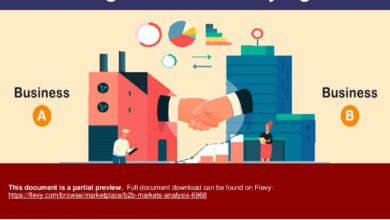
In today’s fast-evolving digital landscape, B2B One stands out as a game-changer for businesses aiming to streamline operations, boost efficiency, and drive growth. This comprehensive guide dives deep into what makes B2B One a revolutionary force in the B2B ecosystem.
Understanding B2B One: A Modern Business Revolution

The term B2B One has emerged as a symbol of innovation, integration, and intelligent business networking. It represents a new era in B2B interactions where technology, data, and customer-centric models converge to create seamless, scalable, and sustainable business ecosystems. Unlike traditional B2B models that rely heavily on fragmented systems and manual processes, B2B One emphasizes unified platforms, real-time analytics, and end-to-end digital transformation.




What Exactly Is B2B One?
B2B One is not just a product or a single platform—it’s a strategic framework designed to unify business operations across sales, marketing, supply chain, customer service, and data intelligence. It leverages cloud computing, AI-driven insights, and API-first architecture to connect disparate systems into a single source of truth. Think of it as an operating system for B2B enterprises, where every department, partner, and process operates in harmony.
- B2B One integrates CRM, ERP, and marketing automation tools.
- It enables real-time decision-making through predictive analytics.
- The framework supports omnichannel engagement with business clients.
The Evolution of B2B Models Leading to B2B One
The journey from traditional B2B transactions to the B2B One model has been shaped by decades of technological advancement. In the 1990s, B2B commerce was largely paper-based and phone-driven. The 2000s introduced e-procurement and early digital marketplaces like Alibaba and ThomasNet. The 2010s saw the rise of SaaS platforms such as Salesforce and HubSpot, which digitized customer relationships.
Now, in the 2020s, B2B One emerges as the next evolutionary step—a holistic, intelligent, and adaptive ecosystem. According to McKinsey, over 60% of B2B buyers now expect Amazon-like digital experiences, pushing companies toward integrated platforms like B2B One.
“The future of B2B isn’t just digital—it’s unified, intelligent, and customer-obsessed.” — Gartner Research, 2023
Core Components of the B2B One Framework
To fully harness the power of B2B One, organizations must understand its foundational components. These are not isolated tools but interconnected systems that work in synergy to deliver maximum value.
Unified Data Architecture
At the heart of B2B One lies a centralized data architecture that eliminates silos. This means customer data from CRM, inventory levels from ERP, and engagement metrics from marketing platforms all reside in a single, secure, and accessible environment.
- Enables 360-degree customer views.
- Reduces data duplication and errors.
- Supports GDPR and CCPA compliance through centralized governance.
Platforms like Salesforce Tables and AWS Data Exchange are often used to build this layer, ensuring scalability and interoperability.
AI-Powered Decision Engines
B2B One leverages artificial intelligence to automate routine tasks and enhance strategic decisions. Machine learning models analyze historical transaction data to predict demand, recommend upsell opportunities, and even forecast supply chain disruptions.
- AI chatbots handle 80% of customer service inquiries.
- Predictive lead scoring increases conversion rates by up to 40%.
- Natural language processing (NLP) extracts insights from contracts and RFPs.
For example, companies using AI within their B2B One framework report a 25% reduction in sales cycle length, according to a 2023 IBM IBV study.
Integrated Ecosystem Connectivity
B2B One thrives on connectivity. It uses APIs and microservices to link internal systems with external partners, suppliers, logistics providers, and even competitors in co-opetition models.
- Real-time inventory syncing with distributors.
- Automated purchase order processing via EDI or API.
- Seamless integration with payment gateways like Stripe or PayPal for B2B transactions.
This level of integration reduces operational friction and accelerates time-to-market. A Forrester report found that B2B firms with mature API strategies grow revenue 1.8x faster than peers.
Benefits of Implementing B2B One in Your Organization
Adopting the B2B One model isn’t just about keeping up with trends—it’s about gaining a competitive edge. Organizations that embrace this framework report measurable improvements across key performance indicators.
Enhanced Operational Efficiency
By consolidating systems and automating workflows, B2B One eliminates redundant tasks and reduces human error. For instance, automated invoice reconciliation can cut accounts payable processing time from days to minutes.
- Reduces manual data entry by up to 70%.
- Improves order accuracy and fulfillment speed.
- Enables remote workforce collaboration through cloud access.
A case study from Siemens shows that after implementing a B2B One-style platform, their procurement cycle time dropped by 45%, saving millions annually.
Improved Customer Experience
B2B buyers today expect the same ease of use they get in B2C environments. B2B One delivers personalized portals, self-service options, and real-time support—transforming the buyer journey.
- Customizable dashboards for different client segments.
- AI-driven product recommendations based on past purchases.
- 24/7 chatbot support with escalation to human agents when needed.
According to Gartner, 75% of B2B customers are more likely to buy from vendors offering a consumer-like experience.
Scalability and Future-Proofing
One of the most compelling advantages of B2B One is its scalability. Whether you’re a mid-sized distributor or a global manufacturer, the framework can grow with your business.
- Cloud-native architecture allows instant scaling during peak demand.
- Modular design lets companies add new functionalities (e.g., IoT integration) without overhauling systems.
- Supports multi-region compliance and localization.
This adaptability is crucial in volatile markets. During the 2022 supply chain crisis, firms with integrated B2B One systems were 3x more likely to reroute shipments successfully, per Deloitte.
How B2B One Transforms Sales and Marketing
The sales and marketing functions are among the biggest beneficiaries of the B2B One transformation. No longer siloed or reactive, these teams become proactive, data-driven, and highly coordinated.
Hyper-Personalized Marketing Campaigns
B2B One enables marketers to move beyond generic email blasts to hyper-targeted campaigns. By analyzing customer behavior, purchase history, and engagement patterns, the system can trigger personalized content at scale.
- Dynamically generated product catalogs based on buyer preferences.
- Behavior-triggered emails (e.g., abandoned cart reminders for B2B).
- Personalized pricing and discount offers based on contract tiers.
HubSpot’s integration with B2B One-style platforms has helped clients increase email open rates by 60% and conversion rates by 35%.
Intelligent Sales Enablement
Sales teams equipped with B2B One tools have real-time access to customer insights, proposal templates, and competitive intelligence. This empowers reps to close deals faster and with higher accuracy.
- AI-assisted proposal generation reduces drafting time by 50%.
- Real-time pricing and inventory visibility during client calls.
- Automated follow-ups and task reminders based on deal stage.
A study by Cornerstone OnDemand found that companies using intelligent sales enablement tools saw a 20% increase in win rates.
Account-Based Everything (ABE)
B2B One takes Account-Based Marketing (ABM) to the next level—what some call Account-Based Everything (ABE). This means aligning marketing, sales, customer success, and even product development around key accounts.
- Unified account profiles with engagement history across all touchpoints.
- Cross-functional playbooks for high-value accounts.
- Shared KPIs between departments to ensure alignment.
Terminus, a leader in ABM, reports that clients using integrated ABE strategies achieve 3x higher ROI than traditional campaigns.
B2B One and Supply Chain Optimization
The supply chain is often the backbone of B2B operations, and B2B One brings unprecedented visibility and control to this critical function.
End-to-End Supply Chain Visibility
With B2B One, companies can track goods from raw material sourcing to final delivery. IoT sensors, blockchain ledgers, and GPS tracking feed data into a central dashboard, providing real-time status updates.
- Live tracking of shipments with ETA predictions.
- Automated alerts for delays or quality issues.
- Supplier performance scoring based on delivery accuracy and responsiveness.
Maersk’s collaboration with IBM on TradeLens, a blockchain-based shipping platform, exemplifies this capability—reducing documentation time by 40%.
Demand Forecasting and Inventory Management
Using AI and historical data, B2B One systems predict future demand with high accuracy, allowing for optimized inventory levels and reduced carrying costs.
- Seasonal trend analysis for better stock planning.
- Automatic reordering when stock falls below threshold.
- Dynamic safety stock calculations based on supplier reliability.
Unilever reported a 22% reduction in overstock after deploying AI-driven forecasting within their B2B One ecosystem.
Risk Mitigation and Resilience
B2B One enhances supply chain resilience by identifying potential risks—geopolitical, environmental, or financial—and simulating response scenarios.
- Supplier risk scoring using public data and news feeds.
- Scenario modeling for disruptions (e.g., port closures, tariffs).
- Automated contingency planning and rerouting.
A PwC survey found that 78% of resilient supply chains use integrated digital platforms like B2B One.
Implementing B2B One: A Step-by-Step Guide
Transitioning to B2B One requires careful planning and execution. Here’s a proven roadmap to ensure success.
Assess Current Systems and Gaps
Begin with a comprehensive audit of your existing technology stack, processes, and data flows. Identify redundancies, bottlenecks, and integration challenges.
- Map all customer touchpoints and data sources.
- Evaluate current CRM, ERP, and marketing tool effectiveness.
- Engage stakeholders from sales, IT, finance, and operations.
Tools like Miro or Lucidchart can help visualize workflows and integration points.
Define Clear Objectives and KPIs
What do you want to achieve with B2B One? Increased sales? Faster fulfillment? Better customer retention? Set SMART goals and align them with measurable KPIs.
- Reduce order processing time by 30% in 6 months.
- Increase customer satisfaction (CSAT) score to 90%.
- Achieve 95% data accuracy across systems.
These KPIs will guide your implementation and help measure ROI.
Choose the Right Technology Partners
B2B One is not a one-size-fits-all solution. Select vendors that offer modular, API-rich platforms with strong support and security.
- Consider Salesforce, Microsoft Dynamics, or SAP for core integration.
- Evaluate niche players like commercetools or MuleSoft for specific needs.
- Ensure compliance with industry standards (e.g., SOC 2, ISO 27001).
Look for partners with proven B2B One implementations in your industry.
Train Teams and Drive Adoption
Technology is only as good as the people using it. Invest in change management, training, and ongoing support to ensure smooth adoption.
- Conduct role-based training sessions (sales, support, logistics).
- Create internal champions and super-users.
- Use gamification to encourage platform usage.
According to Prosci, projects with excellent change management are 6x more likely to meet objectives.
Monitor, Optimize, and Scale
Post-implementation, continuously monitor performance, gather feedback, and refine the system. Use A/B testing and analytics to optimize workflows.
- Run monthly reviews of KPIs and system performance.
- Collect user feedback through surveys and interviews.
- Iterate on features and integrations based on business needs.
Scaling should be incremental—start with one division or region before expanding globally.
Challenges and Risks of B2B One Adoption
While the benefits are substantial, adopting B2B One is not without challenges. Organizations must be prepared to navigate these obstacles.
Data Security and Privacy Concerns
Centralizing data increases efficiency but also creates a larger attack surface. Cybersecurity must be a top priority.
- Implement end-to-end encryption and multi-factor authentication.
- Conduct regular security audits and penetration testing.
- Ensure compliance with GDPR, CCPA, and industry-specific regulations.
A single breach can erode customer trust and result in heavy fines—up to 4% of global revenue under GDPR.
Integration Complexity
Legacy systems often resist integration with modern platforms. Data format mismatches, outdated APIs, and lack of documentation can delay implementation.
- Use middleware or iPaaS (integration Platform as a Service) solutions like Zapier or Boomi.
- Phase integrations to minimize disruption.
- Invest in data cleansing before migration.
Expect integration to take 6–12 months for large enterprises, depending on complexity.
Resistance to Change
Employees may fear job displacement or struggle with new workflows. Without proper change management, adoption rates can plummet.
- Communicate the ‘why’ behind B2B One clearly and consistently.
- Involve teams in the design and testing phases.
- Recognize and reward early adopters.
As Harvard Business Review notes, leadership buy-in is the single biggest predictor of digital transformation success.
Future Trends Shaping B2B One
The B2B One model will continue to evolve with emerging technologies and shifting market dynamics. Staying ahead requires foresight and agility.
The Rise of AI Agents in B2B Transactions
Soon, AI agents will negotiate contracts, place orders, and resolve disputes autonomously. These digital representatives will operate 24/7, reducing human workload and accelerating deal cycles.
- AI agents will use natural language to interact with supplier systems.
- They’ll optimize pricing based on real-time market conditions.
- Self-healing supply chains will auto-correct disruptions.
Google’s recent experiments with AI shopping agents hint at this future.
Blockchain for Trust and Transparency
Blockchain will play a larger role in verifying transactions, tracking provenance, and ensuring contract integrity within B2B One ecosystems.
- Smart contracts will auto-execute payments upon delivery confirmation.
- Immutable logs will prevent fraud and disputes.
- Carbon footprint tracking will support ESG goals.
Companies like Walmart and Nestlé already use blockchain for food traceability.
Hyper-Personalization at Scale
Future B2B One platforms will deliver individualized experiences to thousands of clients simultaneously, using deep learning and behavioral analytics.
- Dynamic pricing engines will adjust in real time.
- Custom product configurations will be generated on demand.
- Content and support will adapt to user roles and preferences.
This level of personalization will blur the line between B2B and B2C experiences.
What is B2B One?
B2B One is a strategic framework that unifies business operations through integrated technology, data centralization, and AI-driven insights. It enables seamless collaboration across departments and partners, enhancing efficiency, customer experience, and scalability in B2B environments.
How does B2B One improve customer experience?
B2B One enhances customer experience by offering personalized portals, self-service options, real-time support, and predictive recommendations. It delivers a consumer-like digital experience that modern B2B buyers expect, increasing satisfaction and loyalty.
What are the main challenges of implementing B2B One?
Key challenges include data security risks, integration complexity with legacy systems, resistance to change from employees, and the need for significant upfront investment in technology and training.
Can small businesses benefit from B2B One?
Yes, small businesses can adopt scaled-down versions of B2B One using cloud-based tools like Shopify Plus, Zoho One, or HubSpot. These platforms offer integrated features at lower costs, enabling SMEs to compete with larger players.
What technologies power B2B One?
B2B One is powered by cloud computing, artificial intelligence, APIs, blockchain, IoT, and advanced analytics. These technologies work together to create a connected, intelligent, and responsive business ecosystem.
The B2B One model represents a transformative shift in how businesses operate, sell, and serve their clients. From unified data and AI-driven decisions to supply chain resilience and hyper-personalization, it offers a comprehensive solution for the modern B2B world. While implementation poses challenges, the long-term benefits in efficiency, customer satisfaction, and competitive advantage make it a strategic imperative. As technology evolves, B2B One will continue to redefine what’s possible in business-to-business commerce—making it not just a trend, but the future.
Further Reading: