Welcome to the ultimate guide on B2B programming—where technology meets enterprise strategy in the most powerful way. Whether you’re a developer, CTO, or business strategist, understanding how code drives B2B innovation is no longer optional. It’s essential.
What Is B2B Programming and Why It Matters

B2B programming refers to the development of software solutions designed specifically for business-to-business interactions. Unlike consumer-facing apps, B2B programming focuses on solving complex operational challenges, integrating systems, and enabling seamless data exchange between organizations.




Defining B2B Programming in Modern Tech
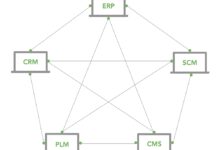
At its core, B2B programming involves building applications that allow companies to interact efficiently—whether it’s automating supply chain logistics, managing enterprise resource planning (ERP), or enabling secure API-based data sharing. These systems are often mission-critical and require high reliability, scalability, and security.
- Focuses on inter-organizational workflows
- Emphasizes integration with legacy systems
- Requires robust authentication and compliance
According to Gartner, B2B integration is a cornerstone of digital transformation, with over 70% of large enterprises relying on automated B2B workflows.
How B2B Programming Differs from B2C Development
While B2C (business-to-consumer) programming prioritizes user experience and mass appeal, B2B programming leans heavily on functionality, customization, and backend performance. Users in B2B environments are typically trained professionals who value efficiency over flashy interfaces.
- B2B: Long sales cycles, complex decision-making, integration needs
- B2C: Fast adoption, emotional triggers, broad accessibility
- B2B software often requires SLAs, audit trails, and role-based access control
“In B2B programming, the user isn’t the buyer—so you’re coding for both technical and executive stakeholders.” — TechCrunch Enterprise Report
The Core Technologies Powering B2B Programming
Modern B2B programming relies on a stack of technologies designed for interoperability, security, and scalability. These tools enable businesses to connect, automate, and innovate at scale.
APIs and Microservices Architecture
Application Programming Interfaces (APIs) are the backbone of B2B programming. They allow disparate systems to communicate—whether it’s syncing inventory between a manufacturer and distributor or enabling real-time payment processing.
- REST and GraphQL APIs dominate modern integrations
- Microservices break monolithic systems into manageable, scalable components
- Tools like Swagger and Postman streamline API development and testing
For example, Amazon API Gateway enables enterprises to create, deploy, and manage APIs at scale, making it a go-to for B2B programming in cloud environments.
Enterprise Integration Platforms (iPaaS)
Integration Platform as a Service (iPaaS) solutions like MuleSoft, Dell Boomi, and Microsoft Azure Logic Apps are revolutionizing B2B programming by offering pre-built connectors and workflow automation.
- Reduce custom coding needs by up to 60%
- Enable real-time data synchronization across CRM, ERP, and HR systems
- Support hybrid cloud and on-premise deployments
As noted by Forrester Research, iPaaS adoption grew by 35% in 2023, driven by demand for faster B2B integrations.
Security and Identity Management
Security is non-negotiable in B2B programming. With sensitive data flowing between organizations, robust identity and access management (IAM) systems are critical.
- OAuth 2.0 and OpenID Connect standardize secure authentication
- SAML enables single sign-on (SSO) across enterprise partners
- Zero Trust Architecture is becoming the norm in B2B environments
Platforms like Okta and Auth0 provide developers with ready-to-use security modules, reducing vulnerabilities in B2B programming workflows.
7 Key Strategies for Successful B2B Programming
Success in B2B programming isn’t just about writing clean code—it’s about aligning technical solutions with business outcomes. Here are seven proven strategies that top developers and enterprises use to win in the B2B space.
1. Prioritize Interoperability Over Innovation
In B2B programming, the ability to integrate with existing systems often outweighs the appeal of cutting-edge features. A beautifully designed app is useless if it can’t connect to a client’s SAP or Salesforce instance.
- Use standardized data formats like JSON, XML, and EDI
- Adopt industry-specific protocols (e.g., HL7 in healthcare, FIX in finance)
- Design APIs with backward compatibility in mind
“The most successful B2B software doesn’t reinvent the wheel—it fits perfectly into the existing ecosystem.” — Enterprise Architect, IBM
2. Build for Scalability from Day One
B2B clients expect systems that grow with their business. Whether it’s handling 10,000 concurrent users or processing millions of transactions monthly, scalability must be baked into the architecture.
- Use cloud-native frameworks like Kubernetes and Docker
- Implement horizontal scaling and load balancing
- Leverage serverless computing for cost-efficient scaling
Companies like Slack and Zoom, though consumer-facing, built their B2B success on scalable architectures—proving that performance drives adoption.
3. Focus on Developer Experience (DX)
Unlike B2C apps, B2B software is often evaluated by technical teams. A great developer experience—clear documentation, SDKs, and sandbox environments—can be a decisive factor in procurement.
- Provide comprehensive API documentation (e.g., using Swagger UI)
- Offer SDKs in multiple languages (Python, Java, JavaScript)
- Create interactive tutorials and code samples
Twilio’s success in B2B programming is largely attributed to its exceptional DX—making it easy for developers to integrate voice, SMS, and video into their apps.
4. Embrace Low-Code and No-Code Platforms
While traditional coding remains essential, low-code platforms like OutSystems and Mendix are accelerating B2B programming by enabling rapid prototyping and citizen development.
- Reduce development time by up to 70%
- Empower business analysts to build internal tools
- Bridge the gap between IT and business units
According to Gartner, by 2025, 70% of new applications developed by enterprises will use low-code technologies.
5. Design for Compliance and Auditability
B2B programming in regulated industries (finance, healthcare, government) must adhere to strict compliance standards like GDPR, HIPAA, and SOC 2.
- Implement logging and audit trails for all data transactions
- Encrypt data at rest and in transit
- Conduct regular security assessments and penetration testing
Failure to comply isn’t just a technical issue—it can result in legal penalties and loss of client trust.
6. Adopt Agile and DevOps Practices
Agile methodologies and DevOps pipelines are critical in B2B programming, where requirements evolve and deployment speed matters.
- Use CI/CD pipelines for automated testing and deployment
- Implement feature toggles for gradual rollouts
- Monitor system performance with tools like Datadog and New Relic
Netflix, though B2C-focused, pioneered DevOps practices that are now standard in B2B programming for ensuring reliability and rapid iteration.
7. Measure Success with Business Metrics, Not Just Code Quality
In B2B programming, success isn’t measured by lines of code or test coverage—it’s about business impact. Track metrics like time-to-integration, customer retention, and ROI.
- Use analytics to monitor API usage and error rates
- Collect feedback from client IT teams
- Align development sprints with business KPIs
As one CTO put it: “If our B2B software isn’t reducing our client’s operational costs, we’re not doing our job.”
Real-World Examples of B2B Programming in Action
Theoretical knowledge is valuable, but real-world applications bring B2B programming to life. Let’s explore how leading companies leverage B2B programming to drive value.
Case Study: Shopify’s B2B E-Commerce Platform
Shopify expanded from B2C to B2B by introducing Shopify Plus with wholesale channels, custom pricing, and API-driven inventory sync. Their B2B programming strategy focused on flexibility and integration.
- Enabled bulk ordering and approval workflows
- Integrated with ERPs like NetSuite and SAP
- Used GraphQL APIs for real-time data access
The result? Over 10,000 B2B merchants now use Shopify, proving that scalable B2B programming can disrupt traditional enterprise software.
Case Study: Stripe’s B2B Payment Infrastructure
Stripe isn’t just for online stores—it powers B2B payments for platforms like Salesforce and Oracle. Their B2B programming approach emphasizes developer-first design and global compliance.
- Offers APIs for invoicing, recurring billing, and tax calculation
- Supports multi-currency and multi-language transactions
- Provides detailed reporting for financial audits
By making complex financial workflows programmable, Stripe has become a backbone of modern B2B ecosystems.
Case Study: Siemens’ Industrial IoT Platform
Siemens MindSphere is an industrial IoT platform that connects machinery across factories. Their B2B programming enables predictive maintenance, energy optimization, and remote monitoring.
- Uses MQTT and OPC UA protocols for machine communication
- Processes terabytes of sensor data daily
- Integrates with cloud platforms like AWS and Azure
This level of B2B programming is transforming manufacturing into a data-driven industry.
Common Challenges in B2B Programming and How to Overcome Them
Even with the right tools and strategies, B2B programming comes with unique challenges. Understanding these hurdles is the first step to overcoming them.
Challenge 1: Legacy System Integration
Many enterprises still run on decades-old systems. Integrating modern B2B programming solutions with COBOL, mainframes, or proprietary databases is notoriously difficult.
- Solution: Use middleware or ESB (Enterprise Service Bus) platforms
- Solution: Wrap legacy systems with RESTful APIs
- Solution: Phase in modernization through microservices
Companies like IBM and Software AG specialize in bridging legacy and modern systems.
Challenge 2: Long Sales and Implementation Cycles
B2B software often faces 6-12 month sales cycles. This delays feedback and increases development risk.
- Solution: Offer sandbox environments for proof-of-concept
- Solution: Use modular architecture to deliver incremental value
- Solution: Engage technical stakeholders early in the sales process
Early involvement reduces friction during deployment.
Challenge 3: Complex Security and Compliance Requirements
Each client may have different security policies, making one-size-fits-all solutions impossible.
- Solution: Build configurable security modules
- Solution: Offer on-premise or private cloud deployment options
- Solution: Maintain compliance certifications (SOC 2, ISO 27001)
Transparency in security practices builds trust with enterprise clients.
The Future of B2B Programming: Trends to Watch
The landscape of B2B programming is evolving rapidly. Staying ahead requires awareness of emerging trends and technologies.
AI and Machine Learning Integration
AI is no longer a buzzword—it’s a core component of B2B programming. From predictive analytics to intelligent automation, AI enhances decision-making and efficiency.
- Use ML models to forecast supply chain disruptions
- Implement NLP for automated customer support
- Apply anomaly detection in financial transactions
Google Cloud’s AI Platform and AWS SageMaker are empowering developers to embed AI into B2B applications without deep expertise.
Blockchain for Secure B2B Transactions
Blockchain is gaining traction in B2B programming for transparent, tamper-proof record-keeping—especially in supply chain and finance.
- Enable smart contracts for automated payments
- Track product provenance from manufacturer to retailer
- Reduce fraud in procurement processes
IBM Food Trust uses blockchain to trace food safety data across global suppliers, showcasing the power of decentralized B2B programming.
Edge Computing and Real-Time Processing
As latency becomes critical, B2B programming is shifting toward edge computing—processing data closer to the source.
- Support real-time analytics in manufacturing and logistics
- Reduce bandwidth costs by filtering data at the edge
- Enhance reliability in remote or offline environments
Microsoft Azure IoT Edge and AWS Greengrass are leading platforms in this space.
Best Practices for Building a B2B Programming Team
Even the best technology fails without the right team. Building a high-performing B2B programming team requires a blend of technical skills, business acumen, and collaboration.
Hire for Domain Expertise, Not Just Coding Skills
A developer who understands healthcare regulations or financial compliance will build better B2B software than one who only knows syntax.
- Look for candidates with industry experience
- Encourage cross-functional training
- Partner with business analysts and product managers
Foster Collaboration Between Dev, Ops, and Business Units
B2B programming thrives in environments where developers, IT operations, and business stakeholders communicate regularly.
- Implement DevOps culture with shared ownership
- Hold joint sprint planning and review meetings
- Use tools like Jira and Confluence for transparency
Invest in Continuous Learning and Certification
Technology evolves fast. A team that doesn’t learn will fall behind.
- Support certifications in cloud platforms (AWS, Azure, GCP)
- Encourage attendance at conferences like AWS re:Invent or Microsoft Build
- Provide access to online learning platforms like Pluralsight or Coursera
“The best B2B programming teams aren’t the ones with the most tools—they’re the ones who adapt fastest.” — CTO, Salesforce
How to Choose the Right B2B Programming Tools and Frameworks
With countless options available, selecting the right tools is critical. The wrong choice can lead to technical debt, integration headaches, and project failure.
Evaluate Based on Integration Capabilities
Before adopting a new framework, ask: Does it integrate with common enterprise systems? Does it support standard protocols?
- Prioritize tools with strong API support
- Check for pre-built connectors to Salesforce, SAP, Oracle
- Assess community and vendor support
Consider Long-Term Maintenance and Support
A framework might be trendy today but abandoned tomorrow. Choose tools with active development and enterprise backing.
- Prefer open-source projects with corporate sponsors (e.g., React by Meta, Angular by Google)
- Avoid niche tools with limited documentation
- Plan for version upgrades and deprecation cycles
Balance Innovation with Stability
While it’s tempting to use the latest JavaScript framework, B2B programming often demands stability over novelty.
- Use battle-tested stacks like .NET, Java Spring, or Node.js
- Reserve experimental tech for non-critical modules
- Conduct proof-of-concept trials before full adoption
What is the main goal of B2B programming?
The main goal of B2B programming is to create software solutions that enable efficient, secure, and scalable interactions between businesses. This includes automating workflows, integrating systems, and supporting complex business processes across industries.
How does B2B programming differ from B2C development?
B2B programming focuses on functionality, integration, and compliance, serving trained professionals within organizations. B2C development prioritizes user experience, emotional appeal, and mass adoption, targeting individual consumers directly.
What are the most important technologies in B2B programming?
Key technologies include APIs, microservices, iPaaS platforms, security protocols (OAuth, SAML), and cloud infrastructure. Emerging trends like AI, blockchain, and edge computing are also shaping the future of B2B programming.
Why is developer experience important in B2B programming?
Because B2B software is often evaluated and implemented by technical teams, a strong developer experience—with clear documentation, SDKs, and sandbox environments—can significantly influence adoption and success.
What are common challenges in B2B programming?
Common challenges include integrating with legacy systems, navigating long sales cycles, meeting strict compliance requirements, and ensuring scalability and security across diverse client environments.
Mastering B2B programming requires more than technical skill—it demands a deep understanding of business processes, integration needs, and long-term scalability. From choosing the right technologies to building the right team, every decision impacts success. As industries continue to digitize, the role of B2B programming will only grow in importance. By following the strategies, best practices, and trends outlined in this guide, you’ll be well-equipped to build software that doesn’t just work—but transforms how businesses operate.
Further Reading: